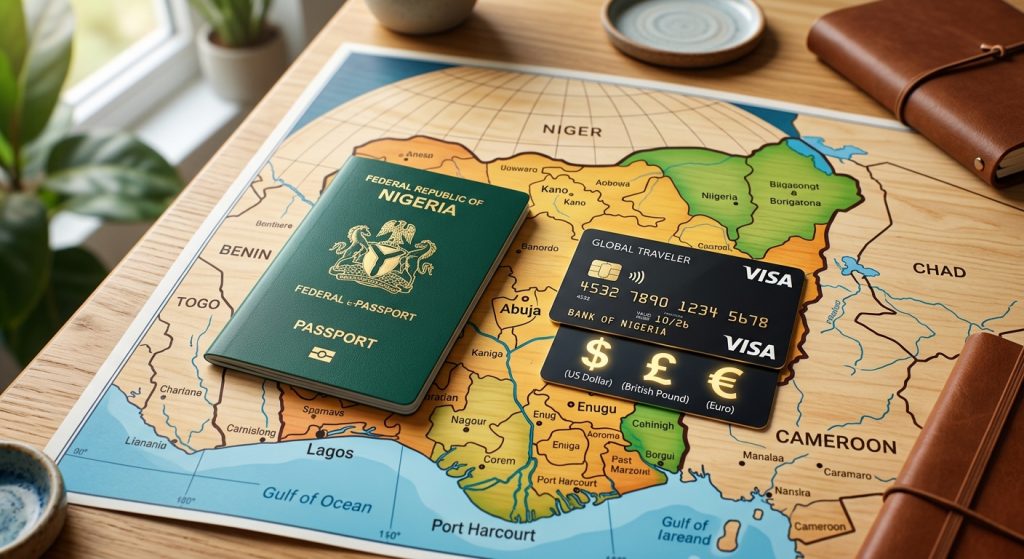
Learning how to open a domiciliary account in Nigeria is no longer a luxury—it’s a crucial strategy for anyone earning in foreign currency. Whether you’re a freelancer getting paid in USD, a business owner dealing with international clients, or receiving funds from family abroad, letting that money land in a Naira account can feel like watching its value decrease. The solution is a domiciliary account.
This guide is your straight-to-the-point manual for getting one. We’ll break down what it is, why you need it, and the exact steps to take so you can protect your hard-earned foreign currency.
What Exactly is a Domiciliary Account?
Simply put, a domiciliary account (or “dom account”) is a type of bank account in Nigeria that allows you to hold funds in foreign currencies. Instead of automatically converting your money to Naira, it stays in its original currency—be it US Dollars (USD), British Pounds (GBP), or Euros (EUR).
Think of it as your personal foreign currency wallet, but held securely within a Nigerian bank. It operates separately from your regular Naira savings or current account, giving you full control over your foreign exchange (forex).
5 Key Reasons You Need a Domiciliary Account Today
Opening a dom account is more than just a banking task; it’s a smart financial move. Here’s why it’s essential in 2026:
- Hedge Against Naira Devaluation: This is the biggest reason. The Naira’s value can fluctuate significantly. By keeping your money in a more stable currency like the US Dollar, you protect your savings’ purchasing power.
- Receive International Payments Seamlessly: For freelancers, remote workers, and exporters, a dom account is non-negotiable. It’s the official and most reliable way to receive payments from international clients or platforms like Google AdSense.
- Simplify International Transactions: If you pay for international services, online subscriptions, or school fees abroad, funding these transactions from a dom account is far easier and often cheaper than converting Naira at uncertain rates.
- Access to Physical Forex: It gives you direct access to foreign currency. You can withdraw your cash in Dollars, Pounds, or Euros over the counter, which is invaluable for travel or other specific needs.
- Build Financial Credibility: For visa applications or international business dealings, a statement from a domiciliary account provides strong proof of foreign currency earnings and financial stability.
Requirements to Open a Domiciliary Account
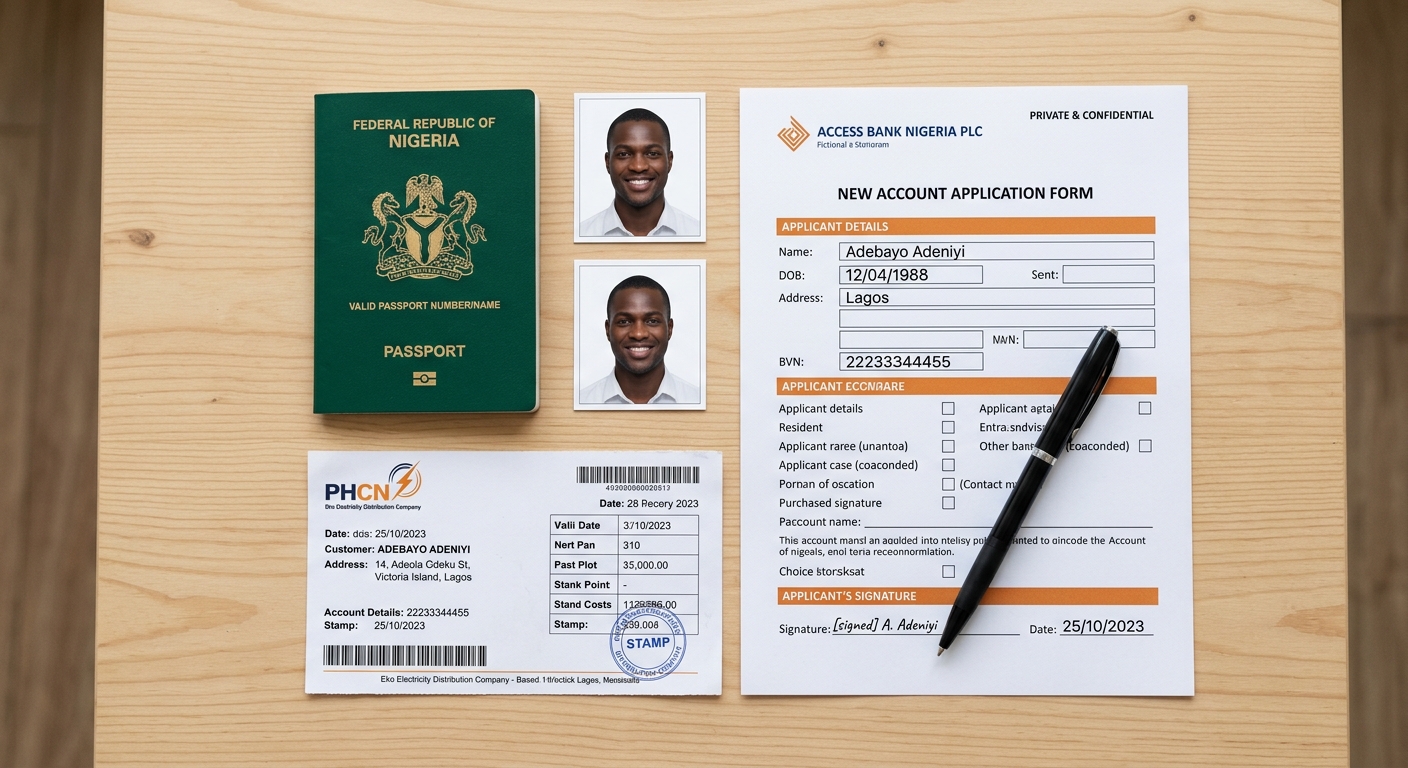
Before you walk into any bank, get these documents in order. While requirements can vary slightly from bank to bank, this is the standard checklist you’ll need:
- Valid Means of Identification: A government-issued ID. This can be your International Passport, Driver’s Licence, National ID Card (or NIN Slip).
- BVN (Bank Verification Number): Your unique 11-digit banking identity number.
- Proof of Address: A recent utility bill (e.g., electricity or water bill) from the last 3 months. If the bill is not in your name, you may need an attestation letter from the property owner.
- Passport Photographs: Two recent, clear passport-sized photos.
- Referees: This is often the most challenging part. You typically need two referees who have active current accounts (for at least six months) with a Nigerian bank. They will need to fill out a reference form for you.
- Initial Opening Deposit: Some banks require a minimum deposit to activate the account (e.g., $100, £100, or €100). This is not a fee; it becomes your initial balance.
How to Open Your Account: A 7-Step Process
With your documents ready, here’s the process for opening your account at a Nigerian bank:
- Choose Your Bank: Select a bank with a good reputation for FX services. See our recommendations below.
- Visit a Branch: Go to the nearest branch of your chosen bank and speak with customer service about opening a domiciliary account.
- Get the Forms: You’ll be given an account opening package, which includes your application form and two referee forms.
- Fill Out the Forms: Complete your form accurately. Give the referee forms to your chosen referees to fill, sign, and return to you.
- Submit Your Documents: Submit the completed forms along with photocopies of all your required documents. The bank official will verify them against the originals.
- Make the Initial Deposit: If required, make the minimum opening deposit in the foreign currency of your choice.
- Wait for Activation: The bank will process your application, which includes verifying your address and the referees. This can take anywhere from 48 hours to 7 business days. You will be notified via SMS or email once your account is active.
Top 3 Nigerian Banks for Domiciliary Accounts
While most commercial banks offer dom accounts, these three are often praised for their services and reliability:
- Guaranty Trust Bank (GTBank): Known for its efficient service and robust digital banking platform. Opening a dom account is relatively straightforward, and their online tools make management easy.
- Zenith Bank: A top-tier bank with a strong reputation in corporate and international banking. They are reliable for handling large transaction volumes and have a wide branch network.
- United Bank for Africa (UBA): With a massive presence across Africa, UBA is an excellent choice for those doing business across the continent. Their requirements are standard, and they offer competitive services.
The Fintech Alternative: Are Virtual Dollar Accounts Better?
For freelancers and digital nomads, the traditional banking process, especially the referee requirement, can be cumbersome. Fintech platforms offer a modern alternative.
- What are they? Platforms like Grey.co and Payoneer provide virtual foreign currency accounts. You get an account number (like a US or UK account) that you can use to receive payments just like a local.
- Pros:
- No referees needed.
- Fully online and fast setup.
- Easy to integrate with freelance platforms.
- Cons:
- You can’t withdraw physical cash in USD.
- Fees can be higher for certain transactions.
- Not a full-fledged bank account (no loans, etc.).
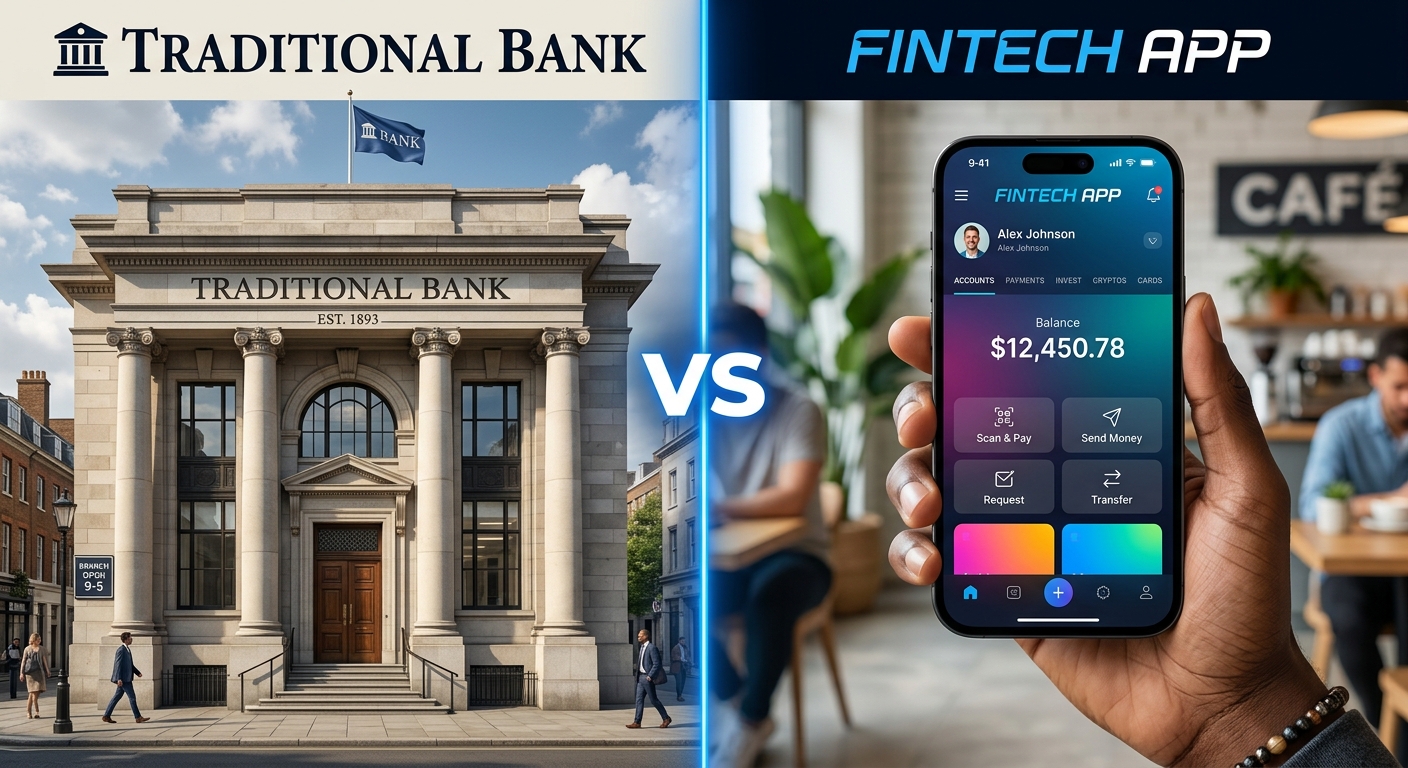
Verdict: If your primary need is to simply receive online payments, a fintech solution is faster. If you need to withdraw physical forex, make large transfers, or require a bank statement for official use (like a visa application), a domiciliary account is the superior choice.
Understanding the Costs: Common Fees and Charges
A dom account is not entirely free. Be aware of these potential charges:
- Account Maintenance Fee: Some banks charge a small quarterly or monthly fee.
- Transfer Fees: There are often small charges for receiving money (inward transfers) and larger, percentage-based fees for sending money out (outward transfers).
- Cash Withdrawal Fee: A small commission may be charged for over-the-counter cash withdrawals.
Frequently Asked Questions (FAQs)
1. Can I open a domiciliary account online in Nigeria?
Mostly no. While some banks allow you to start the process online, you will almost always need to visit a physical branch to submit documents and for final verification.
2. What is the minimum opening balance for a domiciliary account?
This varies by bank but typically ranges from $0 to $100 (or its equivalent). Always confirm with your chosen bank before visiting.
3. Can I fund my domiciliary account with Naira?
No. Due to Central Bank of Nigeria (CBN) regulations, you cannot deposit Naira into a domiciliary account to be converted to foreign currency. You can only fund it via foreign currency bank transfers or by depositing foreign cash.
4. How long does it take for a domiciliary account to be activated?
It typically takes between 2 to 7 working days after all documents and referee forms have been successfully submitted and verified.
Conclusion: Your Gateway to Global Finance
In an economy where currency stability is a major concern, a domiciliary account is your financial armour. It empowers you to protect the value of your money, engage with the global economy, and manage your international finances with confidence. While the process requires some paperwork, the peace of mind and financial security it provides are well worth the effort. Follow the steps in this guide to open a domiciliary account in Nigeria and take control of your foreign earnings.