
When you need emergency loans in Nigeria, every minute counts — and knowing exactly where to turn can mean the difference between solving your crisis and falling into a debt trap. This guide covers your fastest, safest options in 2026, what lenders actually check, and how to protect yourself from predatory apps.
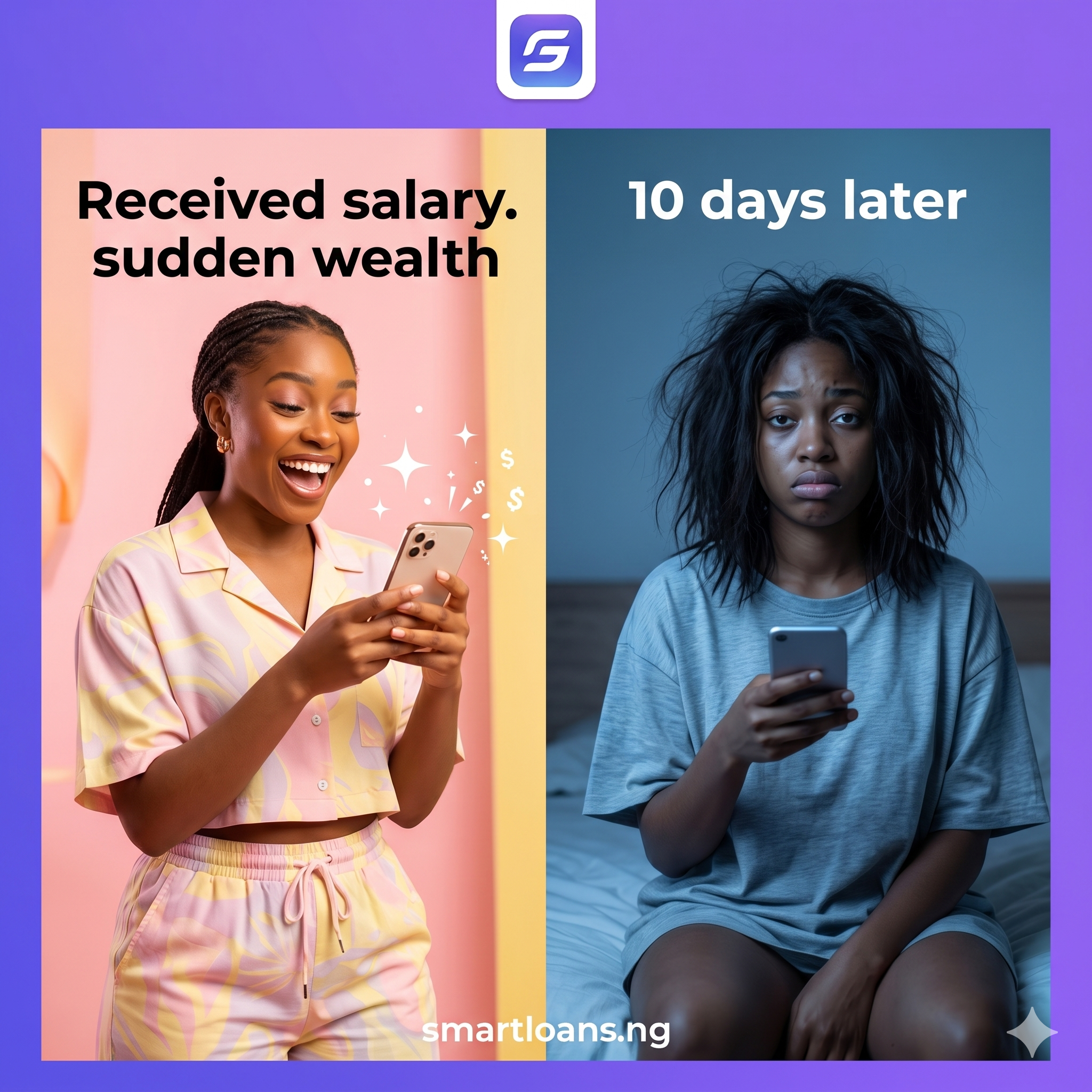
When Emergencies Hit and Your Account Is Empty
It is 11 PM. Your generator just died in the middle of a heatwave. Your child has a school fee deadline tomorrow morning. Or worse — a family member is in the hospital and the billing desk is waiting.
You check your account balance. It stares back at you.
This is the reality for millions of Nigerians every single week. According to EFInA’s 2023 Access to Finance report, over 60% of Nigerian adults do not have enough savings to cover one month of unexpected expenses. That number is not a statistic — it is your neighbour, your colleague, possibly you.
The good news? The Nigerian fintech landscape has exploded with options for emergency loans. The bad news? Not all of them are safe, transparent, or worth the stress.
This guide cuts through the noise. Whether you need ₦20,000 by morning or ₦500,000 within 48 hours, here is exactly what you need to know, what to avoid, and how to borrow without destroying your finances in the process.
What Counts as a Financial Emergency in Nigeria?
Before you take out any loan, it helps to define what you are actually dealing with. A genuine emergency expense is:
- Unplanned — you did not see it coming
- Urgent — it cannot wait weeks for processing
- Necessary — skipping it causes real harm to your health, safety, or income
Common financial emergencies Nigerians face include:
- Medical bills or hospital deposits
- School fees deadlines
- House rent arrears or eviction notices
- Business inventory gaps when you have an order but no capital
- Emergency travel for bereavement or family crisis
- Car or appliance repair needed to keep earning income
What does not qualify as a financial emergency? A new smartphone. Concert tickets. Topping up your betting account. These are wants, not needs — and borrowing for them at high interest rates is precisely how debt traps begin.
Your 5 Fastest Options for Emergency Loans in Nigeria
1. Instant Loan Apps — Fastest: 5 Minutes to 24 Hours
Fintech apps like Carbon, FairMoney, Branch, and PalmCredit offer collateral-free loans deposited directly into your bank account. Most approvals happen within minutes using your BVN, bank statement analysis, and credit history. No guarantor, no paperwork, no branch visit required.
2. Bank Digital Loans — Fast: Same Day to 48 Hours
Most commercial banks now offer quick-access loans through their mobile apps:
- GTBank QuickCredit — salary earners, up to ₦500,000
- Access Bank PayDay Loan — fully automated, no paperwork
- Zenith Bank EazyLoan — existing account holders only
- First Bank FirstAdvance — salary advance for account holders
These typically carry lower interest rates than third-party apps because the bank already knows your financial behaviour.
3. Cooperative Society Loans — Moderate Speed: 24 to 72 Hours
If you belong to a workplace or community cooperative, this is often the cheapest emergency loan option available to you. Interest rates are subsidised, repayment is negotiable, and there is no digital footprint affecting your credit score.
4. Salary Advance from Your Employer — Speed: 24 to 48 Hours
Many Nigerian employers — particularly in the private sector — will grant one month’s salary advance through HR. This is essentially a zero-interest loan because it is recovered directly from your next paycheck. It is widely underused and consistently underrated.
5. Peer-to-Peer Borrowing With a Written Agreement
The oldest form of soft loans in Nigeria. The benefit is zero interest. The risk is relationship damage if repayment fails. If you go this route, send a WhatsApp message or written note acknowledging the amount and your agreed repayment date. It protects both parties and removes the awkwardness of informal debt.
Top Loan Apps for Emergency Cash in Nigeria (2026)
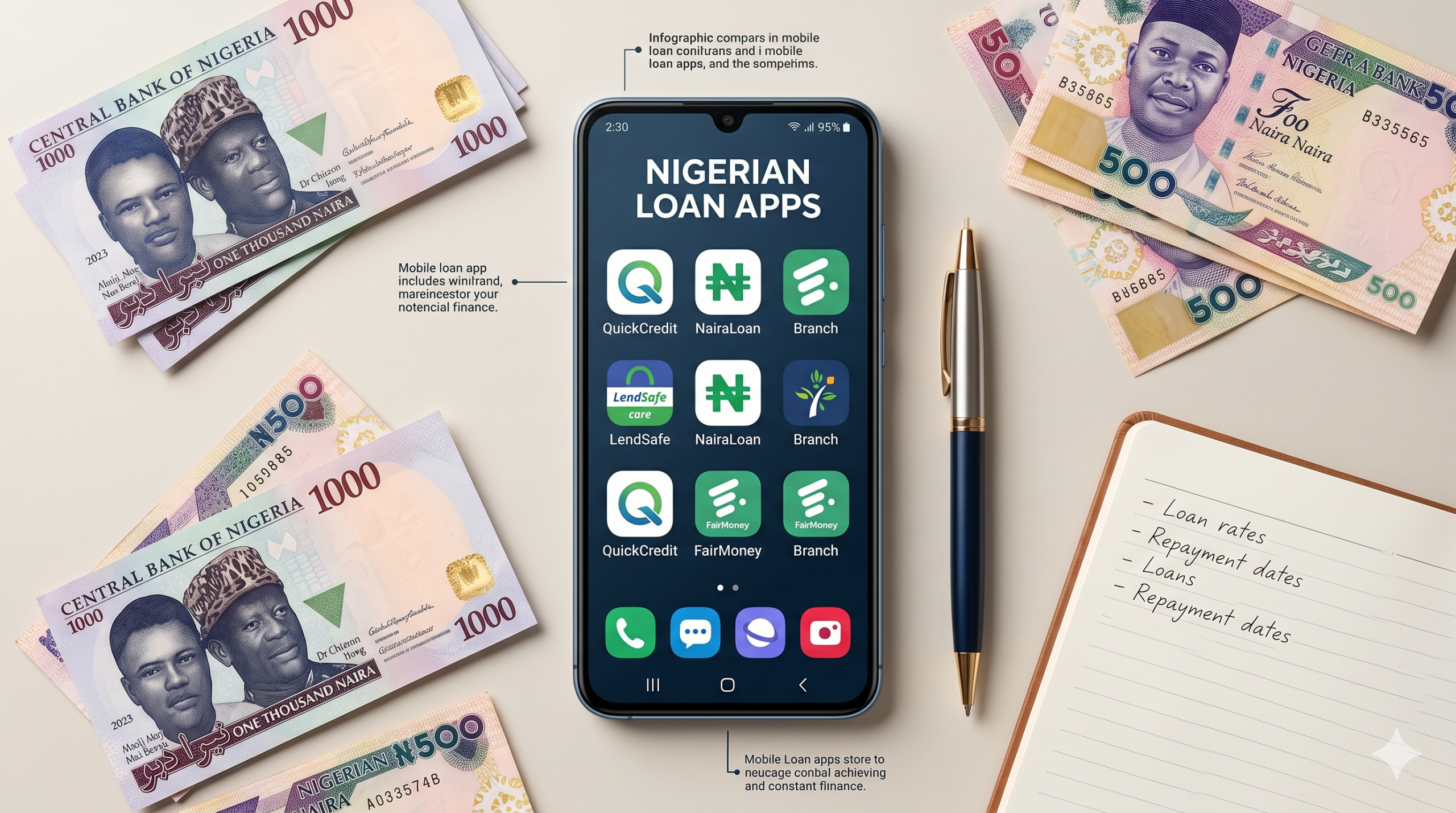
These are currently active platforms that are either CBN-licensed or FCCPC-registered:
| App | Max Loan | Interest Rate | Repayment Period |
|---|---|---|---|
| LendSafe | ₦600,000 | 1.75%–15% monthly | 1–12 months |
| FairMoney | ₦500,000 | 2.5%–16% monthly | 1–18 months |
| Branch | ₦500,000 | 1%–17% monthly | 4–52 weeks |
| PalmCredit | ₦300,000 | 4%–24% monthly | 14–180 days |
| Renmoney | ₦600,000 | From 2.4% monthly | 3–24 months |
| Aella Credit | ₦500,000 | 2%–20% monthly | 1–3 months |
Critical step: Always verify any lender’s registration on the CBN’s official website or the FCCPC’s approved digital lenders list before downloading or signing up. Hundreds of unregistered apps operate illegally in Nigeria and have caused serious harm to borrowers.
How to Qualify Quickly — What Lenders Actually Check
Speed of approval depends heavily on how well your profile matches what lenders are looking for. Here is what they evaluate:
1. BVN (Bank Verification Number)
Non-negotiable for every legitimate lender. Your BVN links your financial identity across all Nigerian banks.
2. Bank Statement Activity
Lenders use open banking APIs to analyse your transaction history — income frequency, spending patterns, and existing loan repayments. Regular inflows, even from informal income, strengthen your application.
3. Credit History via Credit Bureaus
CBN-licensed lenders report to CRC, FirstCentral, and TransUnion Nigeria. If you have defaulted on previous loans, your credit score suffers and new applications face rejection or come with punishing rates.
4. Employment or Income Evidence
Some apps request a recent payslip or business proof. Others rely entirely on your bank data and make a decision algorithmically in under 60 seconds.
Pro Tip: Always apply using your most active bank account — the one that shows consistent, regular deposits. A dormant account with minimal activity will get you a smaller loan limit or an outright rejection regardless of your actual income level.
Red Flags: Predatory Lenders to Avoid Right Now
Not every loan app in the Google Play Store or App Store is operating legally. Protect yourself from these specific warning signs:
🚩 Upfront fees before disbursement — No legitimate lender charges you money before giving you money. Full stop.
🚩 No verifiable physical address or functional support — If you cannot locate them after a dispute arises, you have no recourse.
🚩 Contact harassment — Illegal apps have called borrowers’ entire phonebook contacts when repayment was missed. This is illegal under Nigerian law.
🚩 Not on the CBN or FCCPC approved list — Cross-check before you sign anything. This single step eliminates most predatory lenders immediately.
🚩 Unclear repayment terms — If the app does not display the full repayment amount and total interest cost before you accept, close it and move on.
Between 2022 and 2023, the FCCPC sanctioned and banned dozens of digital loan apps for privacy violations, contact harassment, and operating without proper registration. Your protection starts with your own due diligence.
Salary Advance vs. Loan App — Which Is Smarter?
| Factor | Salary Advance | Loan App |
|---|---|---|
| Interest Cost | Zero | 2%–30% monthly |
| Speed | 24–48 hours | 5 minutes–24 hours |
| Privacy | Internal to employer | Third-party platform |
| Credit Score Impact | None | Reported to bureau |
| Availability | Employer-dependent | Always available |
| Maximum Amount | Typically one month’s salary | Often higher |
Verdict: If your employer offers a salary advance and the amount covers your emergency, take it every single time. You are borrowing from yourself at zero cost. Loan apps are the right tool when the required amount exceeds your advance eligibility, when you are self-employed, or when urgency does not allow for HR processing time.
What to Do If You Get Rejected
Rejection is demoralising in an emergency. But it is not the end. Here is a practical action sequence:
- Try a different app — Each platform runs its own algorithm. A FairMoney rejection does not predict a Carbon rejection.
- Reduce your requested amount — Apply for 50% of the original amount. Lower amounts carry lower risk for lenders and clear approval thresholds more easily.
- Check your credit report — Visit CRC Credit Bureau or FirstCentral to see exactly what lenders are reading about your financial history.
- Approach your bank directly — As an existing customer with a visible transaction history, your bank may approve a quick personal loan when apps decline you.
- Explore your cooperative or community networks — Human-based systems can sometimes look past what an algorithm dismisses.
Building an Emergency Fund to Never Be Stranded Again
The best emergency loan is the one you never need to take.
Nigerian personal finance experts consistently recommend building an emergency fund equivalent to 3 to 6 months of your essential monthly expenses. For someone spending ₦80,000 per month on rent, food, transport, and bills, that is ₦240,000–₦480,000 sitting in a liquid, accessible account.
Practical tools to build this fund in Nigeria:
- PiggyVest SafeLock or Flex Savings — Automate small daily or weekly deposits. Even ₦500 per day compounds to ₦182,500 in a year.
- Kuda’s Pocket feature — Psychologically and practically separates emergency savings from spending money.
- ALAT by Wema Bank — Set named savings goals with automatic transfers triggered on payday.
- Traditional Ajo or Esusu — Rotating savings groups remain powerful, especially in community settings. Social accountability enforces what apps cannot.
The objective is straightforward: when the next emergency hits, you reach into your own fund instead of a lender’s pocket. Even saving ₦1,000 per week builds ₦52,000 in a year — enough to cover many common emergencies without paying a single naira in interest.
Final Takeaway
Emergency loans in Nigeria are more accessible in 2025 than at any point in history. But accessibility does not equal safety, and speed does not equal wisdom.
The three rules that protect you:
- Verify before you borrow — The CBN and FCCPC lists exist specifically for your protection. Use them.
- Borrow only what your next income can repay — Your following month should not be completely consumed by this month’s emergency.
- Use this crisis as a trigger — Once you survive this financial pressure, begin your emergency fund immediately. Any amount is a valid starting point.
Nigeria’s fintech ecosystem was built to serve the financially underserved. Used wisely, it is one of the most powerful financial tools you will ever hold in your hand.
Disclaimer: Interest rates and loan limits listed in this article are subject to change. Always confirm current terms directly with the lender before accepting any offer. This article is for informational purposes only and does not constitute financial advice.